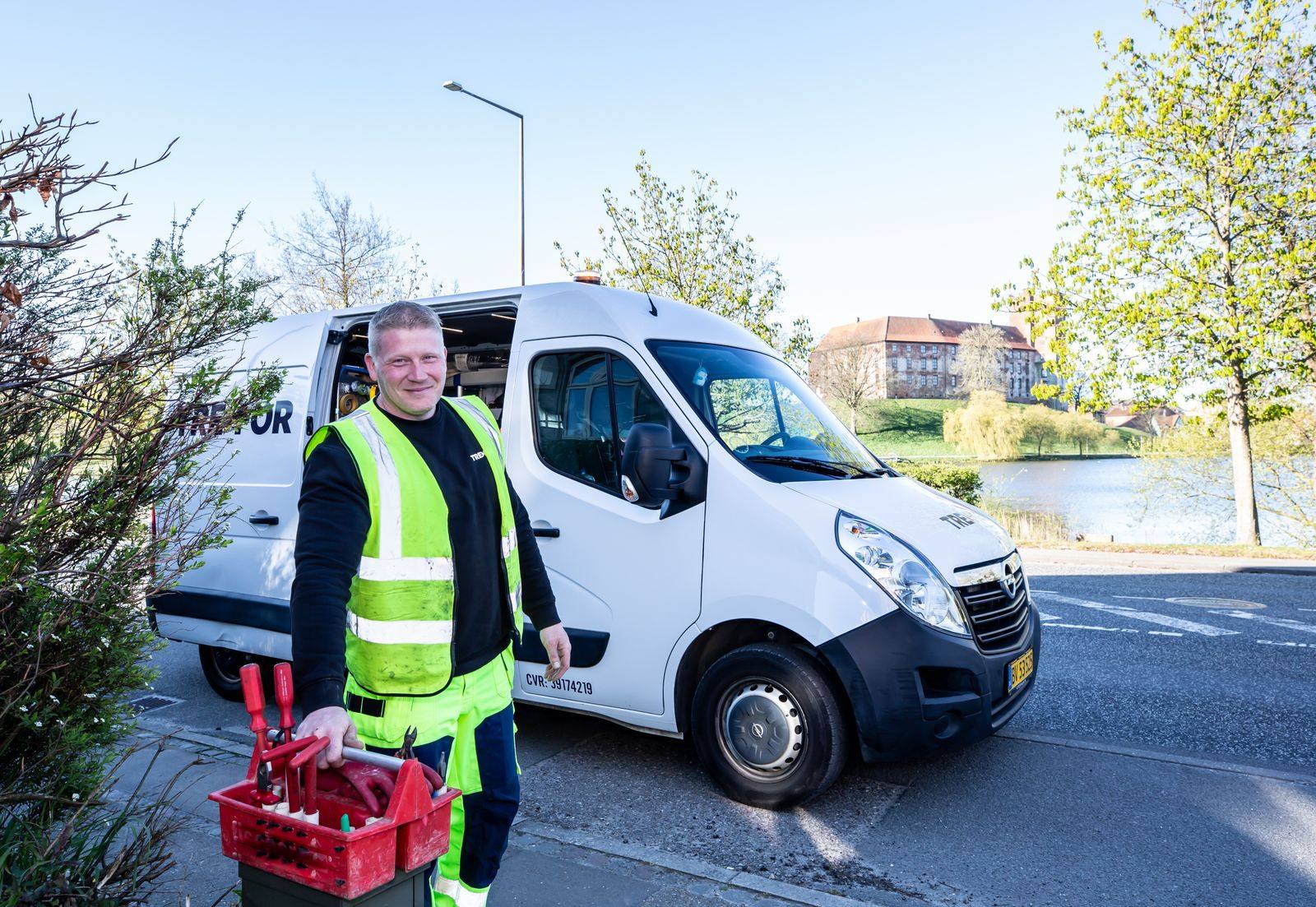
The majority of tankless breakdowns announce themselves the same way, with a blinking code on the display and a shower that turns cold. Behind that code is a system with very little margin for error. There is no storage tank to fall back on, so the heater has to detect flow, light a burner or power its elements, and raise the water temperature by fifty degrees or more in the few seconds it takes water to cross the heat exchanger. When scale narrows the passages, when the flow sensor stops reading, when the flame rod cannot confirm a flame, or when the vent or gas line cannot keep up, the unit protects itself by shutting down. That is the pattern we see again and again in State College, PA.
State College Water Heater starts every tankless repair by reading the unit, not guessing at it. On every service call in State College, we pull the active error code and the stored fault history, then test the components that code points to: flow sensor output while a faucet runs, flame rod signal in microamps, igniter resistance, inlet gas pressure both static and at full fire, and vent condition from the unit to the termination. Scale gets checked by comparing inlet and outlet temperatures against flow rate, since a heat exchanger that cannot transfer heat gives itself away in those numbers. A code tells us where to look, not what to replace. An ignition code, for example, can come from a worn igniter, a dirty flame rod, low gas pressure, or a blocked intake, and each one calls for a different fix.
Once the cause is confirmed, most repairs are finished in a single visit. We descale heat exchangers with a pump and descaling solution circulated through the service valves, replace worn flow sensors, igniters, flame rods, thermistors, and combustion fans, clean inlet filter screens, and correct venting problems that trip pressure switches. When the real issue is a gas line sized for the old tank heater, we tell you plainly and quote the correct pipe run, because no amount of part swapping will fix a unit that is starved for fuel. If you are fighting a cold-water sandwich, we explain whether it is normal behavior for your model or a sign of a setting, fixture, or recirculation problem we can correct. Call (814) 200-8412 for tankless water heater repair in State College.
Most of our service calls are for Water Heater Repair in State College. Start there if you're not sure what you need.
Warning Signs to Watch For
A heater that is starting to struggle rarely hides it for long, and the clues are easy to spot once you know them. Watch for these telltale signs that professional help is needed:
- No hot water at a low-flow faucet even though the shower works fine
- Water dripping from the cabinet or the condensate line
- A fault code on the front panel and no hot water
- Repeated ignition attempts, then a shutdown
- Water that swings between hot and lukewarm in the middle of a shower
- Lukewarm water whenever two fixtures run at the same time
- A combustion fan that sounds louder or rougher than normal
- Cold slugs in the middle of hot water that last longer than before
Early Action Saves Money
Most water heater failures start small: a popping sound from sediment, a damp spot under the drain valve, or a shower that goes lukewarm a few minutes sooner each week. A quick call to (814) 200-8412 gets a technician out to check it before it becomes an emergency.
Need Help With Tankless Water Heater Repair?
Call State College Water Heater for fast, reliable service.
Tap to Call (814) 200-8412Frequently Asked Questions About Tankless Water Heater Repair
What a Trained Technician Brings to the Job
Tankless heaters look simple from the outside, but inside is a tightly controlled system. A single error code can come from four or five different faults, and the sensors, igniters, and control boards involved are not cheap to buy on a hunch. Gas models add real hazards: the burner can fire at close to 200,000 BTU per hour, the vent carries combustion gases that contain carbon monoxide, and a loose gas connection or a vent joint that separates can put fuel or exhaust into the living space. Electric models bring a different hazard, often drawing well over 100 amps across several 240-volt circuits, so a loose lug or undersized wire can overheat quickly.
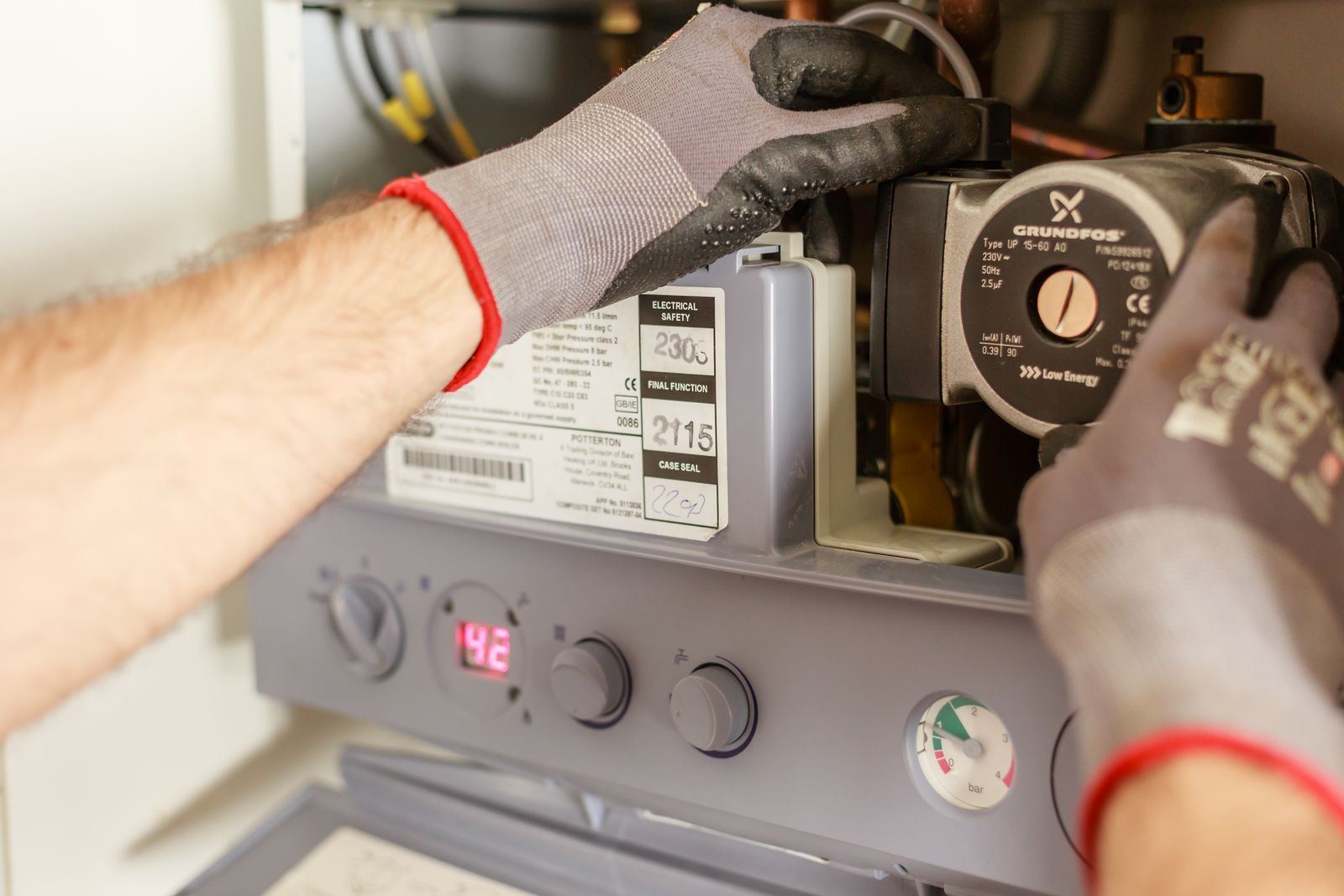
A trained technician with proper test equipment gets to the answer faster. Ours read the fault history, measure flame signal and igniter resistance, test flow sensor output, and check gas pressure under full load with a manometer, which is the only reliable way to catch a gas line that holds pressure at idle but sags when the burner ramps up. We descale with a circulating pump and the right solution, then flush thoroughly so nothing corrosive is left in your plumbing. Just as important, you get an honest opinion: if the heat exchanger is damaged on an older unit, we will say so before you spend money on a repair.
Step by Step: How a Visit Works
Our workflow is simple and thorough, so nothing gets missed between the fuel supply and the relief line. Here's the short version:
Diagnose the Error Code
We pull the active error code and the stored fault history, then check every component that code involves: flow sensor, igniter, flame rod, gas pressure, and venting. That way we fix the actual cause, not just the code.
Plain Findings & Firm Quote
Nothing is hidden. We walk you through the cause and the fix and give you the price up front. If the real problem is an undersized gas line or a worn-out heat exchanger, you will know before anything is spent.
Repair & Descaling
Because common parts ride along, the repair rarely waits. Scale is flushed out through the service valves, and worn sensors or ignition parts are swapped during the same visit.
Verified Temperature Rise
We run hot water at several flow rates, confirm the unit fires cleanly and holds its setpoint, and check gas pressure at full fire before we leave.
Water Heater Care Tips From Our Technicians
Most of the failures we see could have been delayed for years with basic upkeep. Start with these practical measures our team relies on:
- Consider a water softener or scale-reduction filter ahead of the heater if scale keeps returning
- Keep the vent termination and air intake clear of leaves, nests, snow, and lint
- Have the unit descaled at least once a year, or more often if your water is hard
- Get the supply line checked before adding gas appliances, which can starve a tankless unit
- Do not keep resetting a recurring code; note it and have it checked
- Leave the power on in cold weather, since freeze protection only runs when the unit has electricity
- Clean the inlet water filter screen a few times a year so the flow sensor gets full flow
Comparing DIY and Professional Work
Some simple checks are fine to do yourself, but most water heater repairs benefit from professional tools, training, and experience. Here's how the two approaches stack up:
| Consideration | Doing It Yourself | Hiring a Pro |
|---|---|---|
| Diagnosis | Swap parts until the code clears | Each suspect part tested with a meter |
| Descaling | Vinegar poured in without proper valves | Pump-circulated flush through service valves |
| Combustion Safety | No way to test pressure at full fire | Combustion, venting, and gas supply checked |
| Board & Wiring | Risk of shorting the control board | Power verified off, board handled correctly |
| Parts | Parts bought before the fault is known | Model-matched parts, often on the truck |
| Outcome | Temporary fix at best | Lasting repair, confirmed by testing |
Get Tankless Water Heater Repair Help Today
Get your hot water back before a small fault turns into a flooded floor. State College Water Heater is ready to respond fast.
Get Help: (814) 200-8412Tankless Water Heater Repair Across the State College Area
Wherever you are in the area, the same experienced team shows up with the same parts and the same pricing. Find your community below.